

How to Maintain Bright Blonde Hair in Tropical Conditions
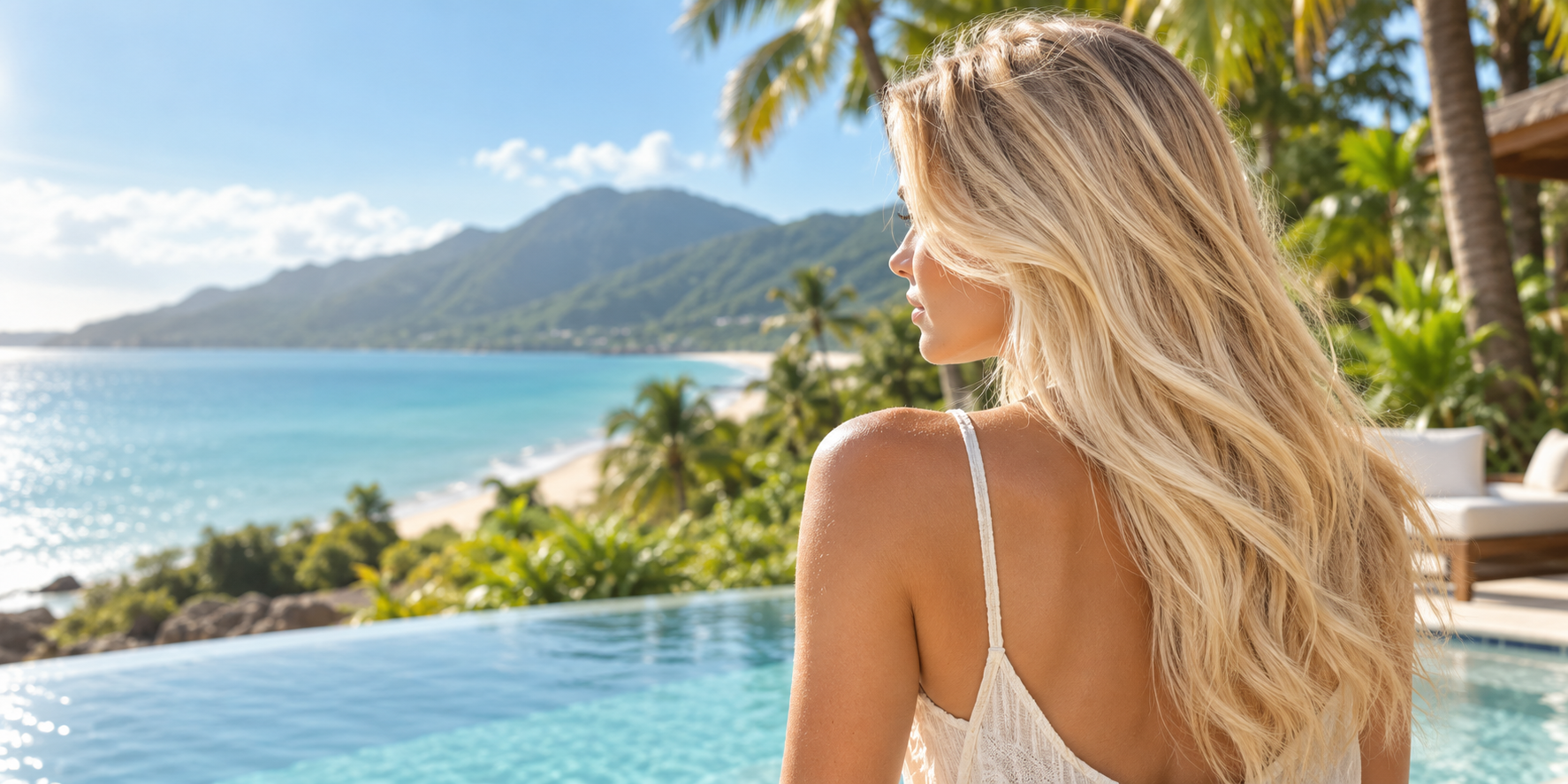
Tropical sun, humidity, salt water and chlorine can quickly turn bright blonde hair dull, dry or brassy.
Our latest guide shares expert tips to help protect your blonde, maintain its brightness and keep your hair healthy in Cairns conditions.
Read the full guide and book your next Blonde Refresh with Cuts By Carella.
Blonde hair in Cairns faces distinct challenges. The combination of relentless sun, high humidity, and regular exposure to salt and chlorinated water can quickly dim hair brightness, undermine structure, and cause brassy or yellow undertones to emerge.
Keeping a luminous, healthy blonde is not about shortcuts—it is about consistent daily care, informed weekly rituals, and knowing when professional intervention is necessary. Routines that work well in cooler, drier climates may fail under the unique pressures of Far North Queensland.
At Cuts By Carella, every service follows the principle that correct classification precedes action: matching technique and treatment to Cairns’ conditions and each client’s hair. This guided, technical approach sets the tone for effective at-home care as well.
Maintaining bright blonde hair in Cairns is a matter of prevention, support, and strategic intervention. This guide details a pragmatic approach, combining disciplined salon techniques with expert self-care tailored to local realities and tough climate stressors.
Maintaining blonde hair in tropical Queensland requires more than good intentions. Precision, clear process, and honest education are necessary to keep blonde hair strong, wearable, and as bright as possible under the sun.
Why Tropical Conditions Pose Challenges for Bright Blonde Hair
Cairns’ climate is persistent. From the first exposure, the environment strips away protective layers, shifts tone, and tests the integrity of blonde hair—especially hair that has undergone pre-lightening or multi-stage colouring. Understanding these challenges is crucial for choosing the right routine.
UV Radiation: Effects on Cuticle Integrity and Colour Fade
Cairns receives intense ultraviolet exposure, which acts aggressively on hair. UV rays lift the cuticle and fade surface pigments, especially in blonde hair, shortening the life of glosses and toners.
Repeated exposure pulls moisture from the shaft, leading to brittle hair, faded tones, and an increased appearance of yellow or dullness as underlying pigments become exposed.
Humidity Impact: Hair Swelling, Frizz, and Toner Breakdown
High humidity inflates hair fibres by forcing water into the shaft. In lightened hair, increased porosity allows expansion, leading to raised cuticles, frizz, and a loss of internal cohesion.
This disrupts toner molecules—accelerating their fade—and leaves hair rougher, less reflective, and prone to uneven colour retention between washes.
Salt Water and Chlorine Exposure: Dryness and Brassiness Triggers
Regular ocean swims tangle and dry hair as salt creates drag and saps hydration. Chlorine, common in local pools, is even harsher on pre-lightened hair; it strips remaining moisture and, when binding with copper or other metals in pool water, can turn blonde hair greenish or muddy.
Both environments speed up the onset of brassiness.
Mineral and Hard Water Buildup: Dulling and Yellowing Effects
Water in the Cairns region often carries minerals such as calcium, magnesium, and small amounts of iron or copper. Continual buildup coats the hair and blocks light, making blonde hair appear lifeless or yellowed.
Mineral buildup can also make home toning less effective until the hair is properly clarified.
Daily Protection Routine for Blonde Hair in Cairns Conditions
A disciplined daily routine is the frontline of defence against discolouration and loss of integrity. Prevention is more effective than repair.
Apply Lightweight UV Protection Before Sun Exposure
Use a leave-in spray or mist with UV filters on the mid-lengths and ends, paying attention to exposed part lines and the scalp. Apply before leaving the house each day, using thin layers to avoid weighing down fine or porous hair.
Use Physical Protection Strategies: Hats and Scarves
Hats and tightly woven scarves physically block UV rays, reduce heat on the scalp, and shield hair from wind-borne debris.
Broad-brimmed options are best for sun exposure and help maintain colour vibrancy, particularly during outdoor activities or travel.
Prepare Hair Before Swimming: Fresh Water Rinse and Barrier Products
Always rinse hair thoroughly with fresh tap water before entering the ocean or pool. Fully saturated hair absorbs fewer chemicals and less salt.
For further protection, apply a light layer of leave-in conditioner or a designated barrier spray, especially to the most porous zones.
Cleanse and Condition Immediately After Exposure
As soon as possible after exposure to salt or chlorinated water—or after sweating heavily—rinse with fresh water and use a gentle, hydrating shampoo.
Condition from mid-lengths to ends, carefully detangling while the hair is wet. These quick steps help prevent deeper mineral bonding and reduce cumulative dryness and loss of shine.
Weekly Maintenance to Preserve Brightness and Hair Integrity
Consistent weekly care is essential to combat mineral buildup, prevent brassiness, and support the internal structure of blonde hair.
Use Purple Shampoo or Professional Toners Selectively
Purple shampoos counteract yellowing and brassiness but can dry out hair when overused. Limit usage to once a week, focusing on areas prone to warmth rather than applying it throughout every wash.
Schedule professional Blonde Refresh treatments for targeted toning that maintains condition and brilliance.
Use Chelating or Clarifying Treatments to Remove Buildup
If hair begins to feel coated or resists toning, a chelating shampoo—with agents such as EDTA or citric acid—can help remove mineral and metal deposits.
Use it once every one or two weeks and always follow with a nourishing mask to restore moisture and balance.
Use Deep Conditioning and Bond Repair Treatments
Weekly masks containing both hydration and protein, or home-use bond repair products, are vital for lightened hair exposed to local environmental stress.
These treatments support the structural links weakened by bleaching, heat, and sun. Cuts By Carella integrates bond protection during corrective and brightening colour work and encourages clients to continue this process at home.
Avoid Overwashing and Product Overload
Shampoo only as often as genuinely required, since overwashing strips away both natural and artificial moisture.
Reserve heavy oils or silicone-based products for occasional use. Instead, rely on balanced, lightweight leave-in products that reinforce resilience without inviting buildup.
Caution: Overuse of purple shampoo, chelators, and protein masks can tip the balance and cause dryness or roughness. Monitor how your hair feels and adjust frequency according to need.
Styling Techniques That Protect Blonde Hair Colour and Manageability
Smart, controlled styling lowers the risk of fade and damage. Select techniques that combine lasting polish with environmental resilience.
Choose Protective Hairstyles to Reduce Exposure and Friction
Use loose braids, low buns, or ponytails for beach time or outdoor movement. Protective styling prevents tangling and reduces direct contact with sun, salt, or pool water, lowering cumulative cuticle wear.
Choose Lower-Heat Drying and Finishing Options
Let hair air-dry when possible. If blow-drying, choose cool or medium settings and always apply a heat protectant before styling.
Avoid aggressive hot tools on hair that has recently been exposed to salt, chlorine, or heavy sun. These circumstances amplify oxidative stress and damage.
Use Performance Blow Waves for a Humidity-Resistant Salon Finish
Book Performance Blow Waves for a long-lasting style when a salon finish and humidity-resistant result are needed.
This structured finish is designed for Cairns and helps maintain shape, movement, and gloss between washes—delivering control against expansion and frizz.
Minimise Harsh Mechanical Stress on Hair Bonds
Wet hair is at its most fragile. Detangle gently with a wide-tooth comb and avoid elastic bands that pull or stretch.
Reserve brushes for dry styling and work from the ends upward in careful sections.
Consider Humidity-Proof Hair Smoothing Treatments
For those struggling with persistent frizz, swelling, or loss of smoothness, Humidity-Proof Hair Smoothing Treatments offer longer-term control without permanent chemical straightening.
These treatments are engineered for Cairns’ humidity, supporting easier day-to-day styling and a softer finish.
Key Product Features to Seek for Tropical Blonde Hair Care
The most effective care relies on products tailored for environmental defence rather than simply layering on more ingredients. Select products with these features:
| Product feature | Functional benefit |
|---|---|
| UV filters | Shield pigment and the cuticle, minimising colour fade and dryness |
| Humidity-resistant anti-frizz ingredients | Control expansion, smooth the surface, and reduce frizz |
| Chelating agents | Remove minerals and restore clarity and brightness |
| Toning pigments and nourishing masks | Neutralise brassiness while maintaining softness and shine |
Emphasise ingredient transparency. For example, UV filters may include benzophenones, while humidity control is often supported by lightweight silicones or amino acids.
Chelating agents specifically target mineral buildup, an issue common in Cairns. Toning pigments are best used in professional blends but can also be helpful in occasional home use.
Avoid product routines built heavily around waxes or dense oils. They may create temporary shine but often attract dust and minerals, limiting light reflection and causing further dullness or yellowing.
Common Practices That Accelerate Blonde Hair Discolouration and Damage
Certain self-care habits, though well-intentioned, can harm colour and structure.
Daily Overuse of Purple Shampoo
Using purple shampoo more than necessary can strip essential moisture, roughen the cuticle, and cause a dull, matte appearance.
Apply it only as needed, focusing on visibly warm areas.
Skipping Pre- and Post-Swim Rinses and Cleansing
Allowing salt or chlorine to remain in the hair—especially under sunlight—speeds up cuticle damage, oxidation, and mineral accumulation.
Always rinse before and after swimming, then follow with a gentle cleanse at home.
Excessive Heat Styling Without Protection
High, unprotected heat can accelerate oxidation and cause irreversible dryness or breakage in pre-lightened and coloured hair.
Lower tool temperatures and limit heat styling after intensive sun or water exposure.
Using Heavy Oils That Weigh Down Hair or Trap Buildup
Thick oils do not solve hydration issues and can worsen buildup, attracting minerals that accelerate dullness and yellowing—particularly in finer or porous hair types.
Favour lightweight, water-soluble serums designed for humidity resistance.
If you are unsure about a sudden change in hair quality or colour, consult a professional for an accurate diagnosis before adding more products or attempting aggressive home treatments.
Frequently Asked Questions About Maintaining Blonde Hair in Tropical Conditions
How frequently should I tone my blonde hair in the Cairns climate?
In humid conditions, toners and glosses fade faster. Most clients benefit from professional toning or a Blonde Refresh every three to four weeks, although higher sun or water exposure may warrant more frequent visits.
Does humidity cause my blonde hair to look brassy or frizzy?
Yes. Humidity opens the cuticles, exposes warm undertones, and increases frizz. Even hair that was perfectly toned at the salon can show warmth or lose smoothness after days of exposure.
Is it safe or useful to use purple shampoo every wash?
No. Restrict its use to once weekly or only as needed. Frequent application dries out the hair and can make it brittle.
Salon toning and glossing is a safer way to maintain an even, correct tone.
How are clarifying and chelating shampoos different?
Clarifying shampoos remove general product and oil residue. Chelating shampoos specifically target minerals such as calcium and magnesium, as well as metals such as copper, which are common in Cairns’ water and can dull or discolour blonde hair.
What does sun protection for hair actually do?
Leave-in products with UV filters help slow pigment fade and surface roughening, but results are incremental. Reinforce this protection with hats and seek shade during peak UV hours.
Why does my blonde hair turn green after swimming?
Copper found in pool water can bind to porous blonde strands, especially after chlorine opens the cuticle, producing a green cast.
Pre-wetting and applying a barrier product can help prevent this, as can an immediate rinse afterwards.
Should I apply something before swimming in the ocean or a pool?
Yes. Saturating hair with water and lightly coating it with leave-in conditioner or a professional barrier product helps protect against salt and chlorine absorption.
Secure hair to minimise direct exposure.
How do I reduce heat damage after a beach or pool day?
After sun or water exposure, allow hair to air-dry partially. Use heat protectant if finishing with a blow-dryer, but avoid high-heat tools.
Gentle, low-tension hairstyles are best while hair rehydrates and regains strength.
When to Schedule a Professional Blonde Refresh or Colour Correction
Even a disciplined at-home routine will not resolve every colour or condition concern in tropical environments. Knowing when to seek professional help is part of caring for your blonde responsibly.
Signs Your Blonde Needs a Salon Gloss, Toner, or Correction
Persistent brassiness, patchy or uneven tone after home toning, green or muddy reflections, rough texture, or visible bands from overlapping colour require a specialist touch.
A salon Blonde Refresh can restore tone and gloss. More serious issues—such as accumulated mineral staining, irreversible dryness, or colour correction after box dye or chemical mishaps—warrant expert redirection.
The Role of Bond Protection and Condition Support in Salon Services
All major work at Cuts By Carella, including pre-lightening, intensive toning, and correction, is conducted with mandatory bond protection.
This technology helps maintain the inner structure of the hair against chemical, environmental, and mechanical strain. Restorative conditioning remains a non-optional pathway and is required for hair integrity.
How Consultation Ensures the Right Course for Enduring Outcomes
Each client undergoes thorough classification, considering colour history, past treatments, exposure, and individual condition, before any major colour work.
This process enables services such as targeted maintenance colour, enhancement for a subtle shift, or staged correction, always with transparent quoted pricing and clear education about next steps.
Cuts By Carella’s Specialised Care for Blondes
For those managing active colour in Cairns, the service landscape is mapped to both colour intent and climate requirements. Options include:
- Blonde Refresh and Regrowth Colour Maintenance: For in-between appointments, guiding tonal direction and gloss while protecting the fibre.
- Pre-Lightening for a Clean Blonde Base: When a complete base shift is needed, ensuring consistent results with full bond protection for hair exposed to tropical stressors.
- Expert Colour Correction Services in Cairns: For realignment after environmental triggers, home colour errors, or significant pigment imbalance. All corrections are staged and supported by compulsory restorative care for reliable, healthy results.
Important: All information provided is general and does not substitute for an in-person professional consultation. A consultation is required before any major corrective or pre-lightening service at Cuts By Carella. Your stylist will confirm service suitability and provide transparent pricing before proceeding.
Blonde hair maintenance in a tropical climate demands a tailored, scientific approach—one that values prevention, discipline, and the support of expert hands.
By combining day-to-day care with structured salon intervention, you can protect brightness, structure, and long-term hair health, no matter how tough the conditions become in Cairns.
